Sinks Canyon State Park
The river that disappears into a cave
⏱ 1-2 hours👤 All agesFree
Get Tickets
Get Sinks Canyon Tickets
Skip the line · mobile tickets accepted at the door
The geology is the story. The canyon cuts through layers of sedimentary rock, and where the river crosses a band of soluble limestone known as the Madison formation, water has dissolved openings that swallow the flow. Below ground it moves through cracks and passages nobody can follow, mixing with groundwater before re-emerging at the Rise. That is classic karst behavior — the same process that built the great show caves in this guide — made unusually visible, and the visitor center explains it with simple exhibits. In high runoff, the Sinks cannot swallow everything and the excess continues down the dry channel above ground, which is why the scene changes dramatically between late spring and autumn.
Doing it right: start at the Sinks overlook to see the river disappear, then walk or drive the short way down to the Rise and its observation deck to watch the trout and the upwelling. Take the paved trail between them if you have time — it is easy and accessible. Late spring and early summer bring peak water and the most dramatic Sinks; fall brings color, quiet and lower flows; winter is open but snowy, with the visitor center closed. Respect the barriers above the Sinks — the current is deadly. Bring food and fishing gear for elsewhere in the canyon, where fishing is permitted.
The setting is outstanding. The canyon road continues up toward the Wind River Range with switchbacks, trailheads and campgrounds, and Lander is a friendly climbing and outdoors town with good food. Sinks Canyon fits naturally between Yellowstone and Grand Teton to the north and the Oregon Trail sites to the south. Fit: families, geology fans, road-trippers and photographers looking for a free, unusual stop.
What to Expect
Format
Overlooks and short trails at a limestone swallow hole where a river disappears (the Sinks) and resurfaces downstream (the Rise). No cave entry; paved accessible trail between the two. No day-use fee.
Best Time
Late spring and early summer for the most dramatic flows; fall for color and quiet. Trails open year-round; visitor center open in summer only.
Duration
An hour for the Sinks and the Rise; longer with canyon hikes.
Tips
See the Sinks first, then the Rise to spot the big trout. Stay behind barriers above the swallow hole. Drive the canyon road beyond for Wind River views.
⚡ Quick Picks
Best For
Watching karst at work — a whole river vanishing into a cave, for free.
Families
A short, easy outing with a genuine mystery and fish to spot from the deck.
Couples
A scenic canyon stop on a Wind River or Yellowstone road trip.
Pair With
Lander, the Wind River Range trailheads, and the drive to Grand Teton.
Time Needed
One to two hours.
Ready to book Sinks Canyon?
Get Tickets →Frequently Asked Questions
What happens to the river?
The Middle Fork of the Popo Agie flows into a limestone cavern called the Sinks and travels underground before resurfacing downstream in a pool called the Rise. Dye tests showed the water takes much longer than expected to reappear.
Can we go inside the cave?
No — the Sinks is a dangerous swallow hole with strong currents. Viewing platforms and trails let you see it safely from above.
Is there an entrance fee?
No day-use fee is required. Camping in the park has its own fees and reservation rules.
Is it open in winter?
Trails are open year-round. The visitor center is seasonal, opening in summer.
Why are there so many fish at the Rise?
Fishing is not allowed at the Rise, so large trout gather in the clear, calm water and can be seen easily from the observation deck.
More Cave Tour Attractions
Browse all →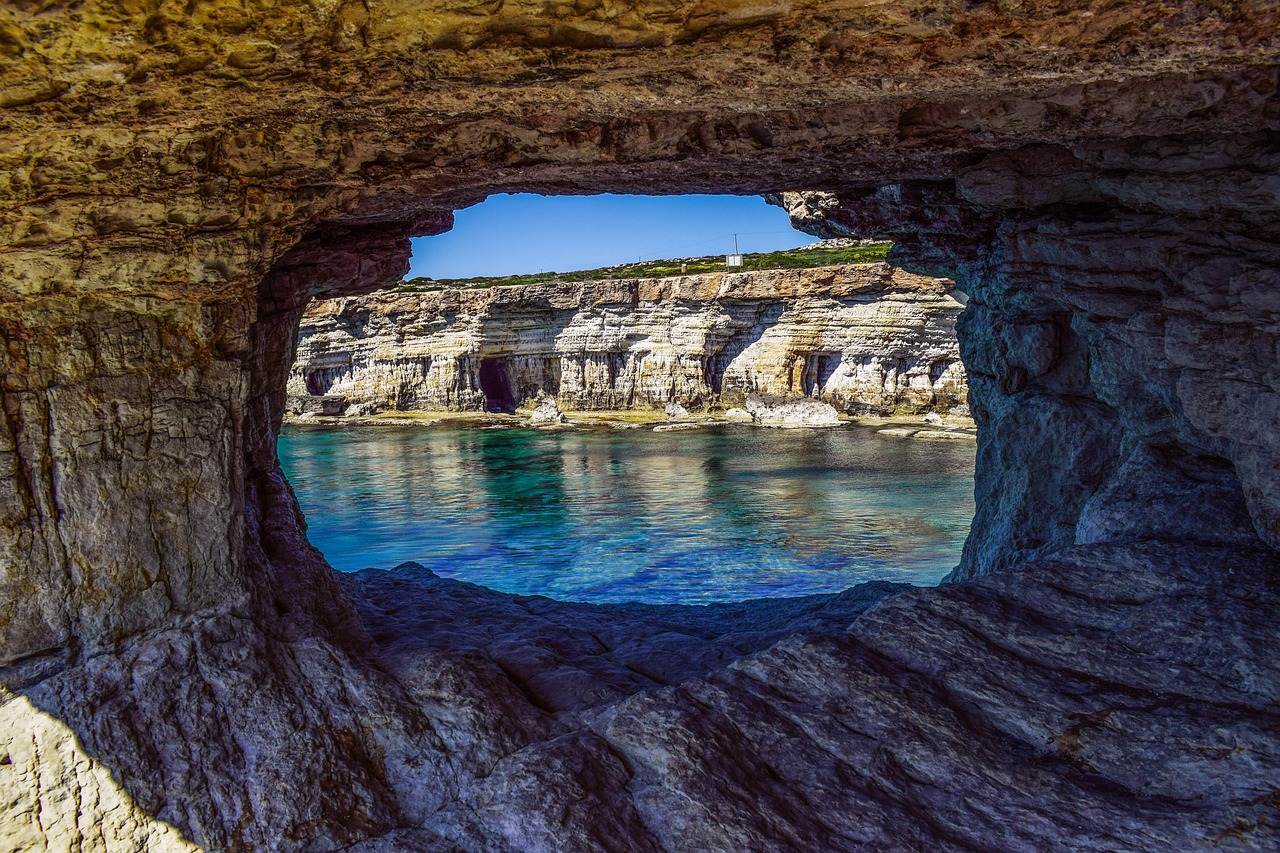
Wind Cave National Park
The cave that breathes — America's first cave national park, a Black Hills labyrinth whose entrance whistles with the barometer, lined with the world's finest boxwork, under a prairie where bison graze over the tour route.
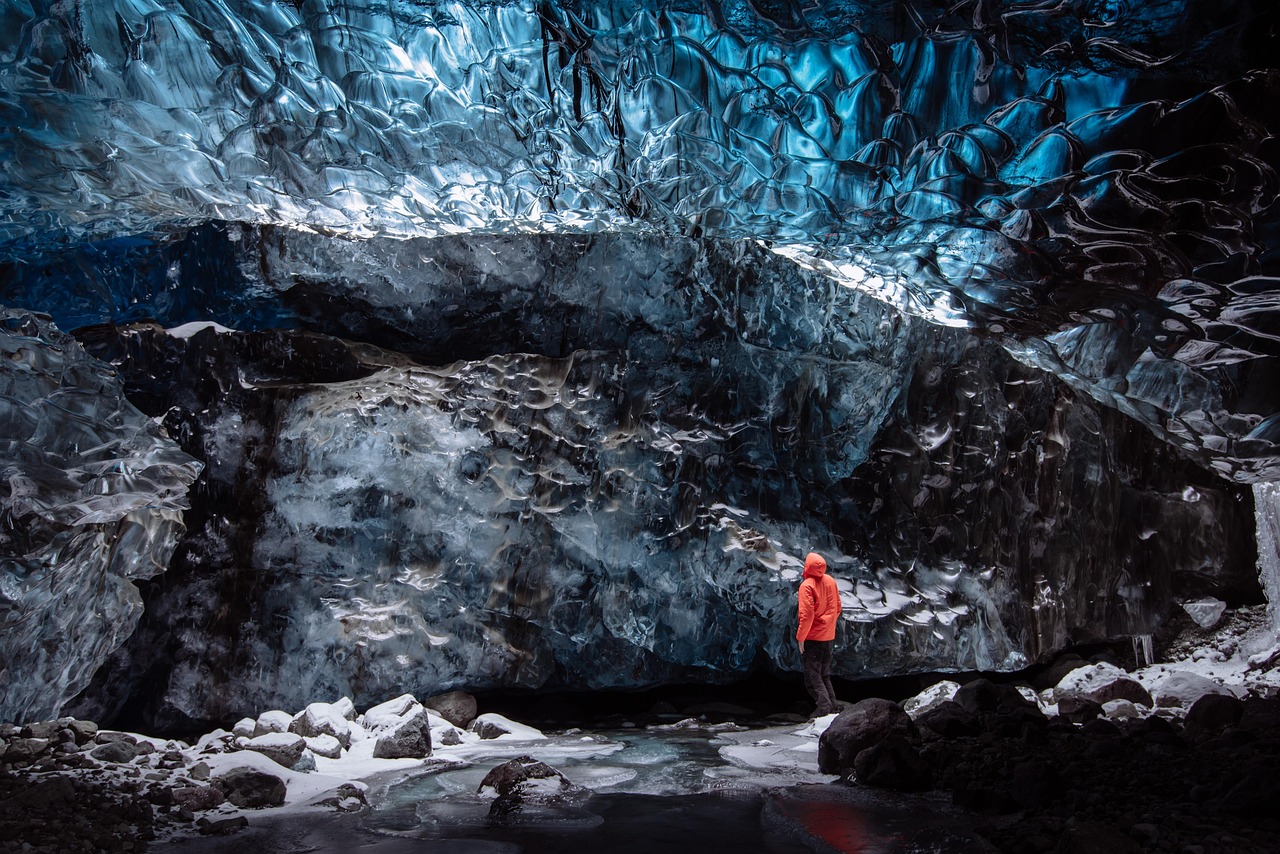
Jewel Cave National Monument
One of the longest caves on earth, hidden under a Black Hills ponderosa ridge — passages lined with glittering calcite spar, reached by elevator for a stair-heavy ranger tour through the crystal rooms.
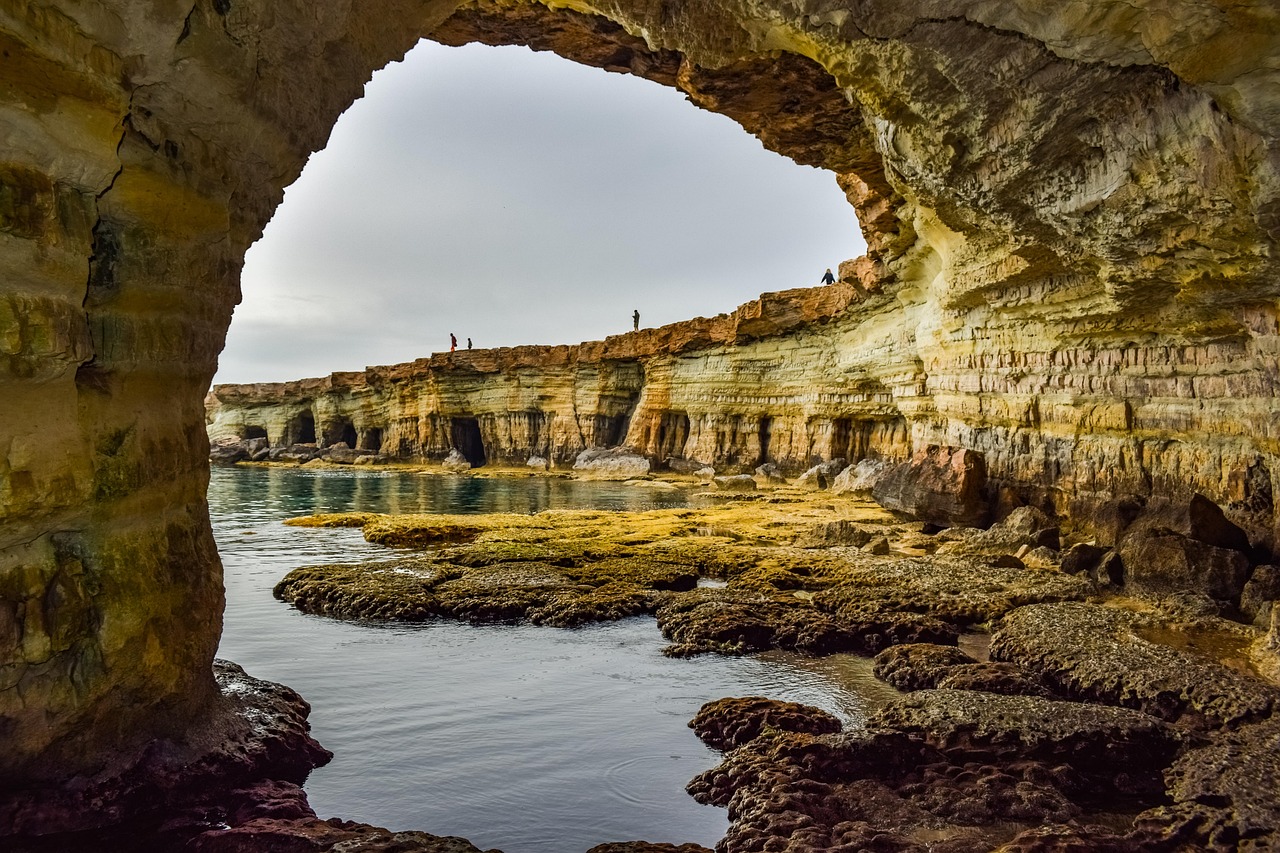
Cave of the Winds Mountain Park
The canyon-rim classic beneath Pikes Peak — Colorado's veteran show cave since 1881, toured lit or by candlelit lantern, wrapped in a mountain park whose canyon-edge rides dangle thrill-seekers over a 600-foot drop. Underground and over it, one stop.