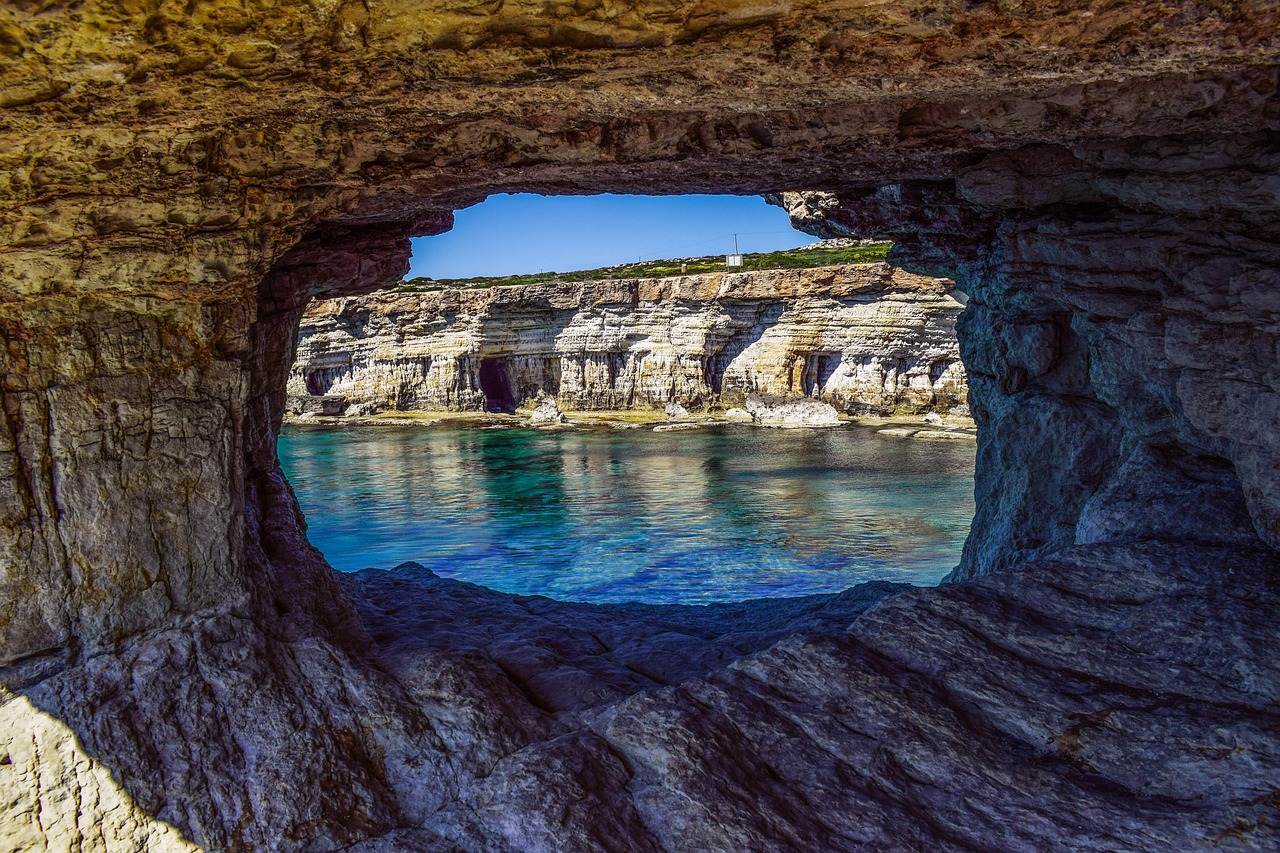
Wind Cave National Park
The cave that breathes under the bison prairie
⏱ Half day👤 All ages$
Get Tickets
Get Wind Cave Tickets
Skip the line · mobile tickets accepted at the door
The cave earns the national-park status in ways that take a ranger to unlock. Wind Cave formed slowly in limestone as acidic groundwater dissolved a dense network of fractures, which is why the passages crisscross at every level like a three-dimensional city grid and why the system keeps growing on the survey maps as cavers push new leads. The boxwork that defines it formed when calcite filled cracks in the rock and the surrounding bedrock later dissolved away, leaving the delicate fins standing proud; alongside it you will see frostwork and popcorn, the small, crystalline decorations of a dry cave rather than the dripping columns of a wet one. The breathing entrance is worth a minute at the start: on a falling-pressure day the wind rushes out hard enough to lift a hat, on a rising one it pulls in — the cave equalizing with the sky through one small hole.
Doing it right: book the Natural Entrance tour on recreation.gov as soon as dates firm (the window opens months ahead and closes shortly before the tour), and if you miss it, be at the visitor center at opening for the same-day half of the inventory — summer same-day tickets can be gone within the first hour or two. The Garden of Eden tour suits small children and anyone who wants the fewest stairs; the Fairgrounds tour is the longer, stair-heavier option for fit visitors who want more boxwork and variety. Candlelight and Wild Cave tours are summer-only and booked by phone, not online. Tours exit by elevator, and the park has had elevator and electrical interruptions in recent years that paused cave tours, so check the park alerts page the week of travel. Bring a light jacket — the cave holds in the mid-fifties year-round.
The pairing makes the trip. Wind Cave sits at the southern end of the Black Hills, about an hour from Rapid City and minutes from Custer State Park, so it slots naturally into a Rushmore loop; Jewel Cave National Monument, its very different crystal-lined neighbor, is under an hour west, and doing both on consecutive days is the best two-cave comparison in the country. Drive the park road slowly afterward — bison herds cross it, prairie dogs line it, and the evening light on the grasslands is the Black Hills at their gentlest. It is the underrated great: not the biggest show, but the most fascinating cave many visitors have never heard of.
What to Expect
Format
Ranger-guided tours only — Garden of Eden (short and gentle), Natural Entrance (the classic boxwork route), Fairgrounds (longer, more stairs), plus summer candlelight and wild-cave trips. About half of each tour sold ahead on recreation.gov, half same-day.
Best Time
Book ahead for summer; arrive at visitor-center opening for same-day tickets. Shoulder seasons and winter are quieter, with a reduced tour schedule.
Duration
Tours run roughly one to one-and-a-half hours; budget a half day with the prairie drive.
Tips
Pause at the natural entrance to feel the wind. Choose Natural Entrance for the best boxwork-to-effort ratio. Check park alerts for elevator status before you go. Drive the park road slowly for bison.
⚡ Quick Picks
Best For
Curious travelers who want the most intricate cave in the national-park system, not just the biggest.
Families
Garden of Eden suits younger kids; the bison and prairie dogs above ground seal the day.
Couples
A Black Hills loop with Jewel Cave the next day — two caves, two completely different worlds.
Pair With
Jewel Cave National Monument, Custer State Park, and a night at the Hotel Alex Johnson in Rapid City.
Time Needed
A half day, more with the wildlife drive.
Ready to book Wind Cave?
Get Tickets →Frequently Asked Questions
Why is it called Wind Cave?
Because the natural entrance breathes — air rushes out or in as the outside barometric pressure changes, and that whistling wind is how the cave was found in 1881. Stop at the entrance on the way in and feel it.
What is boxwork?
Thin blades of calcite that intersect in honeycomb patterns on the walls and ceilings, left standing after the surrounding rock dissolved. Wind Cave holds the finest and most extensive display known anywhere.
Which tour should we book?
The Natural Entrance tour for most visitors — the classic route through the boxwork. Garden of Eden is the gentlest for small kids or limited mobility; Fairgrounds is longer with more stairs.
Do we need reservations?
Strongly advised. Roughly half the tickets are sold on recreation.gov in advance and half same-day at the visitor center, where summer same-day tickets often sell out soon after opening. Candlelight and wild-cave tours book by phone.
Is there anything to do above ground?
Plenty — the park is a prairie wildlife reserve with bison, elk, pronghorn and prairie-dog towns, plus hiking trails. The scenic drive is the Black Hills' best free wildlife viewing.
More Cave Tour Attractions
Browse all →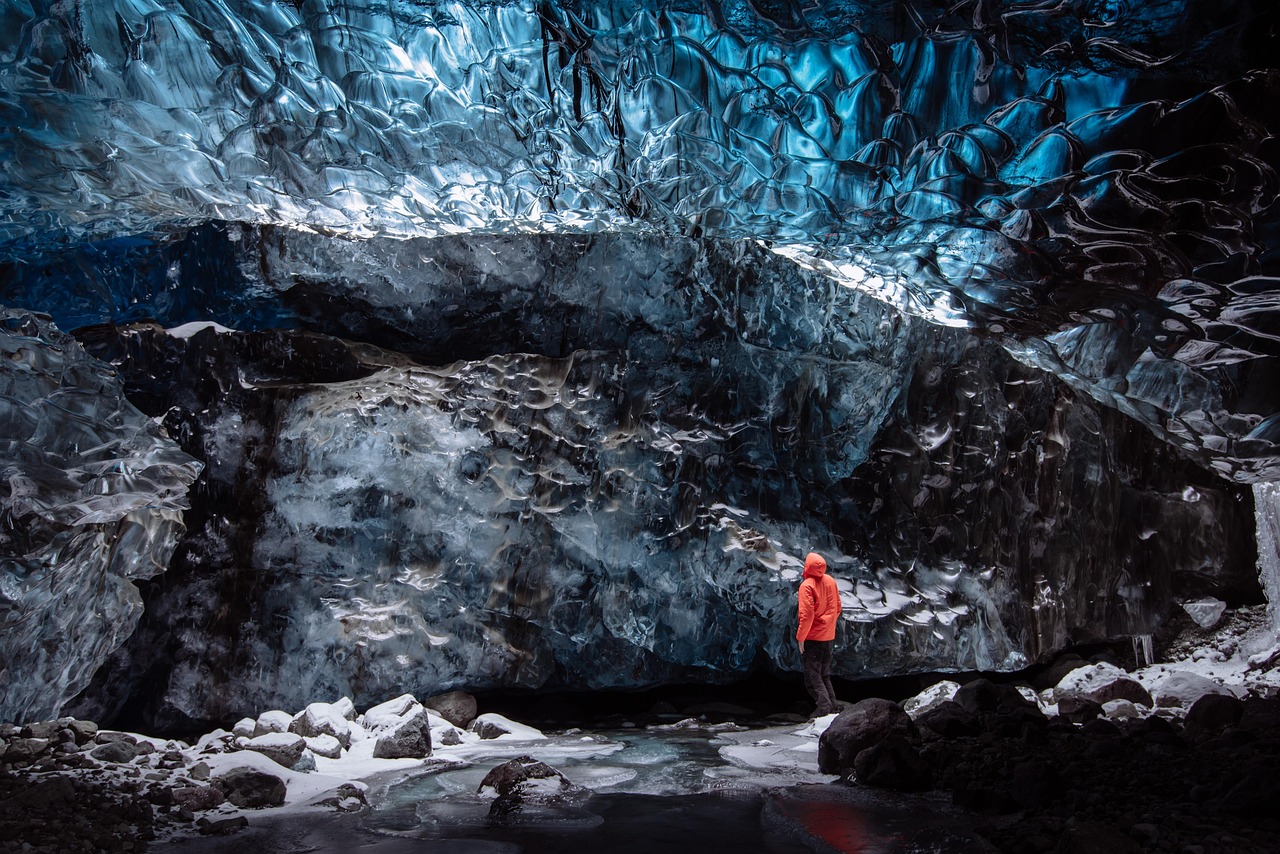
Jewel Cave National Monument
One of the longest caves on earth, hidden under a Black Hills ponderosa ridge — passages lined with glittering calcite spar, reached by elevator for a stair-heavy ranger tour through the crystal rooms.
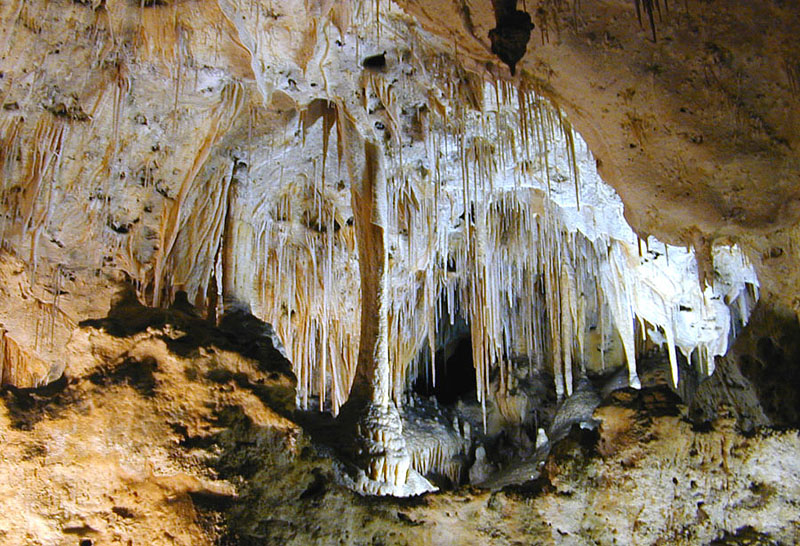
Carlsbad Caverns
The Big Room — the hemisphere's largest cave chamber, a quarter-mile-wide cathedral 750 feet under the New Mexico desert, entered down the bat-flight mouth or by elevator, with summer's dusk bat exodus as the free encore. The national benchmark.
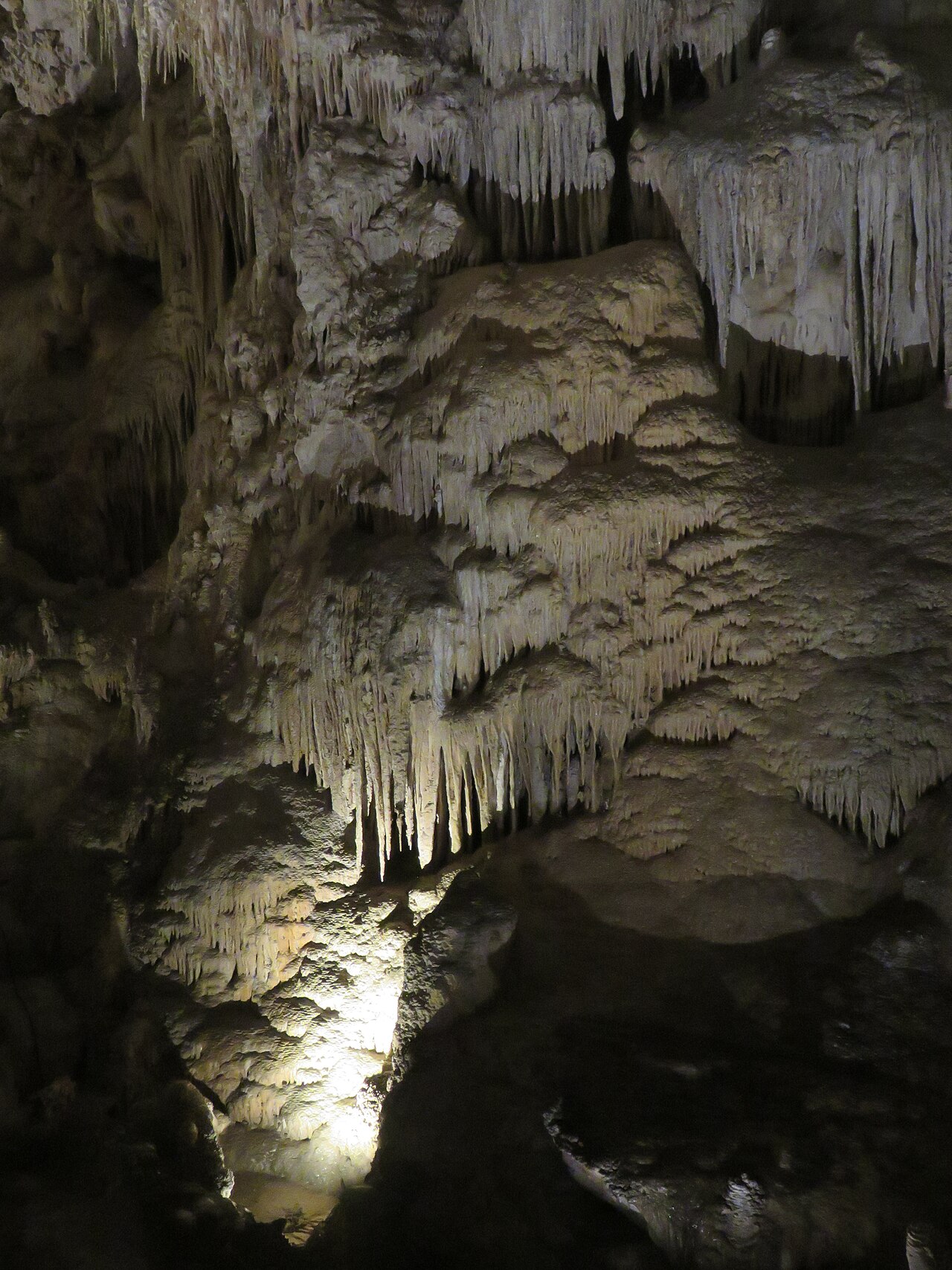
Mammoth Cave
The longest cave on earth — 400-plus mapped miles under Kentucky and still counting, toured since 1816 through avenues, domes, and the historic entrance's great yawn, with ranger tours from easy stroll to belly-crawl. Scale as the spectacle.