
Lava Beds National Monument
Bring a headlamp: the caves are yours to explore
⏱ Full day👤 All ages$
Get Tickets
Get Lava Beds Tickets
Skip the line · mobile tickets accepted at the door
The caves are lava tubes, and understanding that makes them more fun. When rivers of basalt lava flowed across the plateau, their surfaces cooled into a crust while molten rock kept flowing beneath; when the eruption ended, the lava drained out and left hollow tunnels — some barely high enough to crawl, others tall enough to walk upright for long stretches, with lava shelves, drip formations and ropey floors frozen mid-flow. A few hold ice year-round in their deepest sections. Each tube has a different character, and the visitor center's maps rate them by difficulty, so families can start in the easy, lit Mushpot and progress to moderate caves while adventurous adults tackle the tight, challenging ones.
Doing it right: go to the visitor center first for your permit, maps and the day's closure list, then do Mushpot to calibrate. Plan a mix — one or two easy walking caves, one moderate scramble — rather than trying to tick off as many as possible. Wear a helmet (the ceilings are basalt and unforgiving), carry more light than you think you need, and tell someone your plan. Summer days on the plateau are hot and exposed, which makes the cool caves the obvious midday activity; spring and fall are the most comfortable; winter brings snow and quiet, so check road conditions.
The setting is remote and stark: the monument sits near the Oregon border, about an hour south of Klamath Falls, with the Tule Lake wildlife refuges next door famous for migrating waterfowl in fall. The history is sobering — in 1872 and 1873 a small band of Modoc people held off the US Army for months from the natural lava fortress now called Captain Jack's Stronghold, and the self-guided trail there is essential context. There is a campground in the monument but no lodging; Redding and Lake Shasta Caverns are a few hours south for a Northern California cave road trip. Fit: adventurous families, independent travelers and anyone who wants to explore a cave rather than be guided through it.
What to Expect
Format
Self-guided exploration of developed lava-tube caves with a free permit from the visitor center — from lit, easy Mushpot Cave to dark tubes requiring crawling and scrambling. Bring helmets and multiple lights; standard park entrance fee.
Best Time
Spring and fall for comfortable temperatures; summer caves are a cool escape from the exposed plateau. Winter is quiet but check road and snow conditions.
Duration
A full day to sample several caves plus Captain Jack's Stronghold; two days for keen cavers.
Tips
Get the permit first and ask which caves are closed. Start in Mushpot. Headlamp plus flashlight per person, helmet, long pants. Never use gear from other caves. Do not cave alone.
⚡ Quick Picks
Best For
Hands-on, self-guided caving — the most freedom underground in any national park unit.
Families
Kids from school age up love the easy caves; start in lit Mushpot and let them lead.
Couples
An adventurous road-trip day of headlamps, lava tubes and wide-open volcanic country.
Pair With
Tule Lake refuges, Captain Jack's Stronghold, and Lake Shasta Caverns a few hours south.
Time Needed
A full day.
Ready to book Lava Beds?
Get Tickets →Frequently Asked Questions
Do we need a permit?
Yes — a free caving permit from the visitor center is required before entering any cave. It helps prepare visitors and reduce the spread of white-nose syndrome, a disease deadly to bats.
Are any caves lit?
Only Mushpot Cave, a short walk from the visitor center and the recommended first cave. Every other cave is completely dark, so bring a headlamp and a handheld flashlight per person.
Which caves are closed?
The park currently lists Juniper, Hercules Leg, Sentinel, Lavabrook, Labyrinth and Sunshine as closed. Closures can be temporary or seasonal, so ask at the visitor center.
What gear do we need?
A helmet, long pants, sturdy footwear and at least two light sources each. Do not rely on a phone light. Never bring gear used in other caves or mines.
Is it expensive?
No — the caves are free with the standard national-park entrance fee. The monument has a campground but no lodging; plan to stay in Klamath Falls or camp.
More Cave Tour Attractions
Browse all →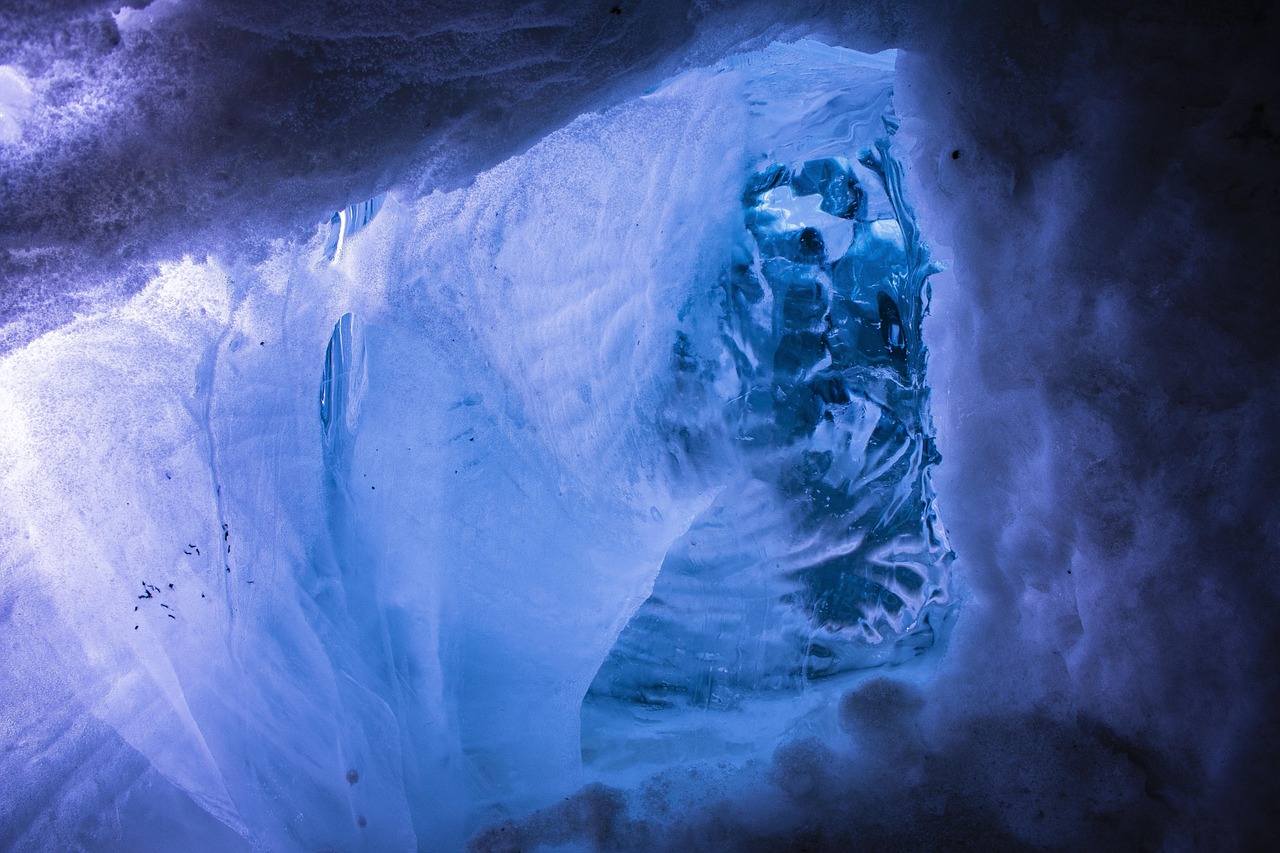
Lava River Cave
A mile-long lava tube in the pines north of Flagstaff — no guides, no lights, no railings, just a boulder-scramble entrance, near-freezing air and the darkest walk in Arizona for a small day-use fee.
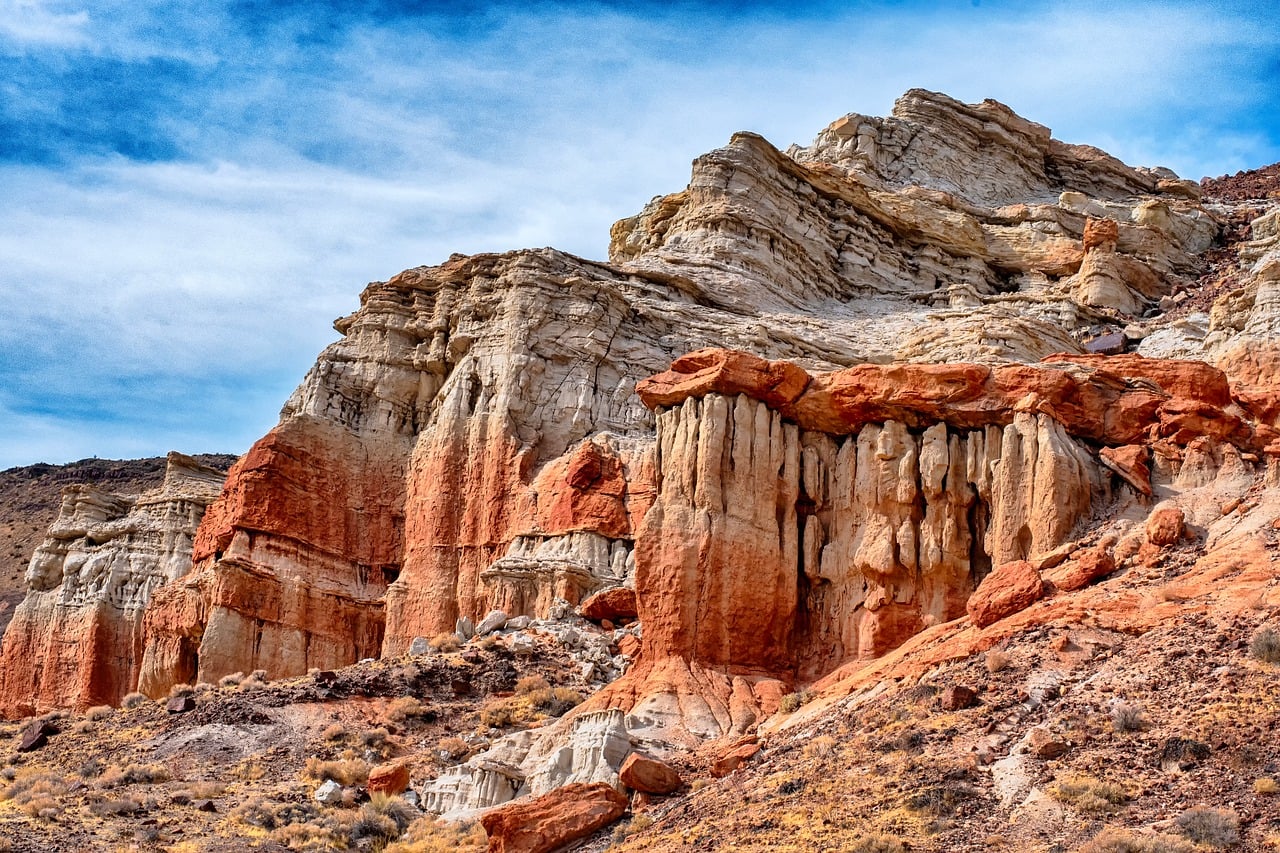
Lake Shasta Caverns
The cave you cruise to — a catamaran across Lake Shasta's blue, a bus up the mountainside, then chambers of twenty-foot flowstone and crystal draperies high above the water. Northern California's three-vehicle adventure, scenery included twice.
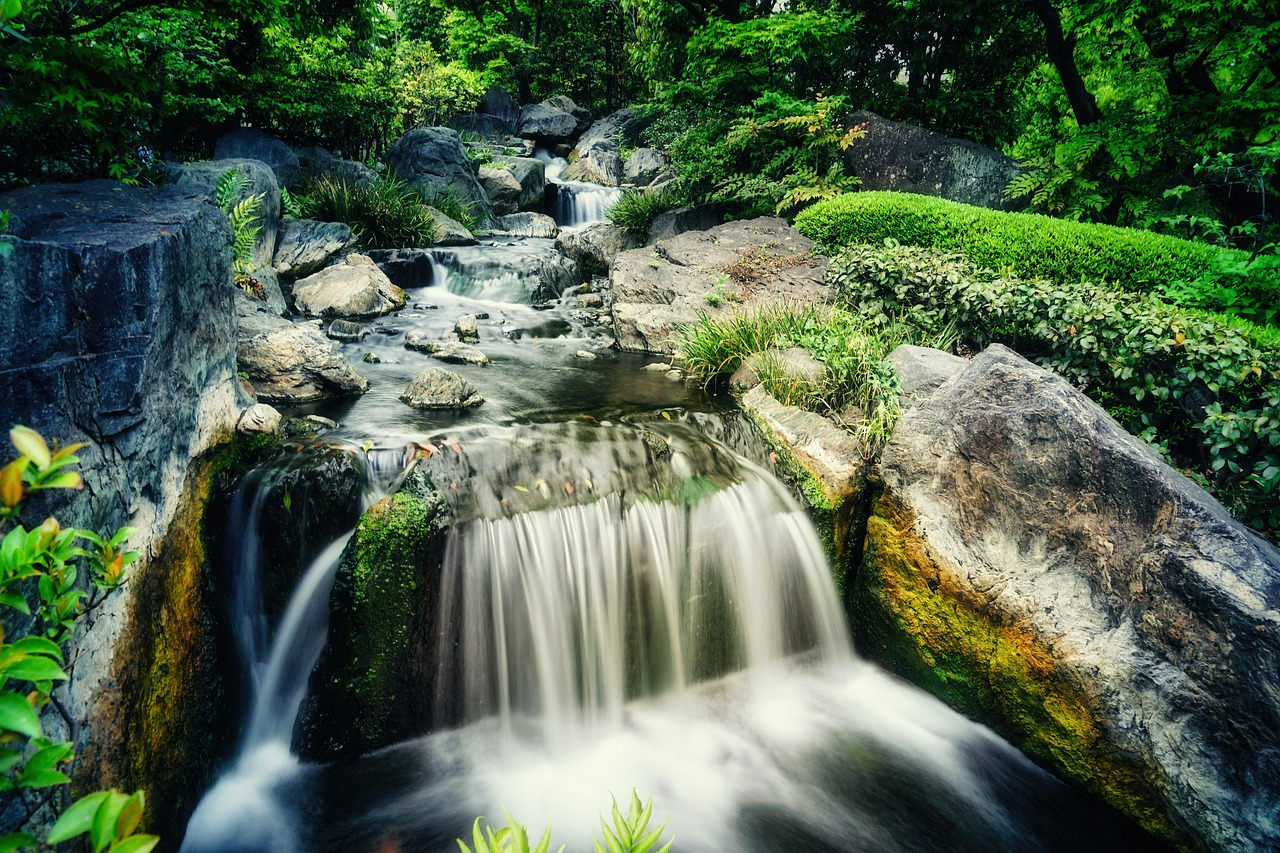
Bear Gulch Cave, Pinnacles National Park
A talus cave of house-sized boulders wedged in a volcanic gorge — scramble through dark passages with a flashlight, past a bat colony's winter home, to a hidden reservoir in California's youngest national park.