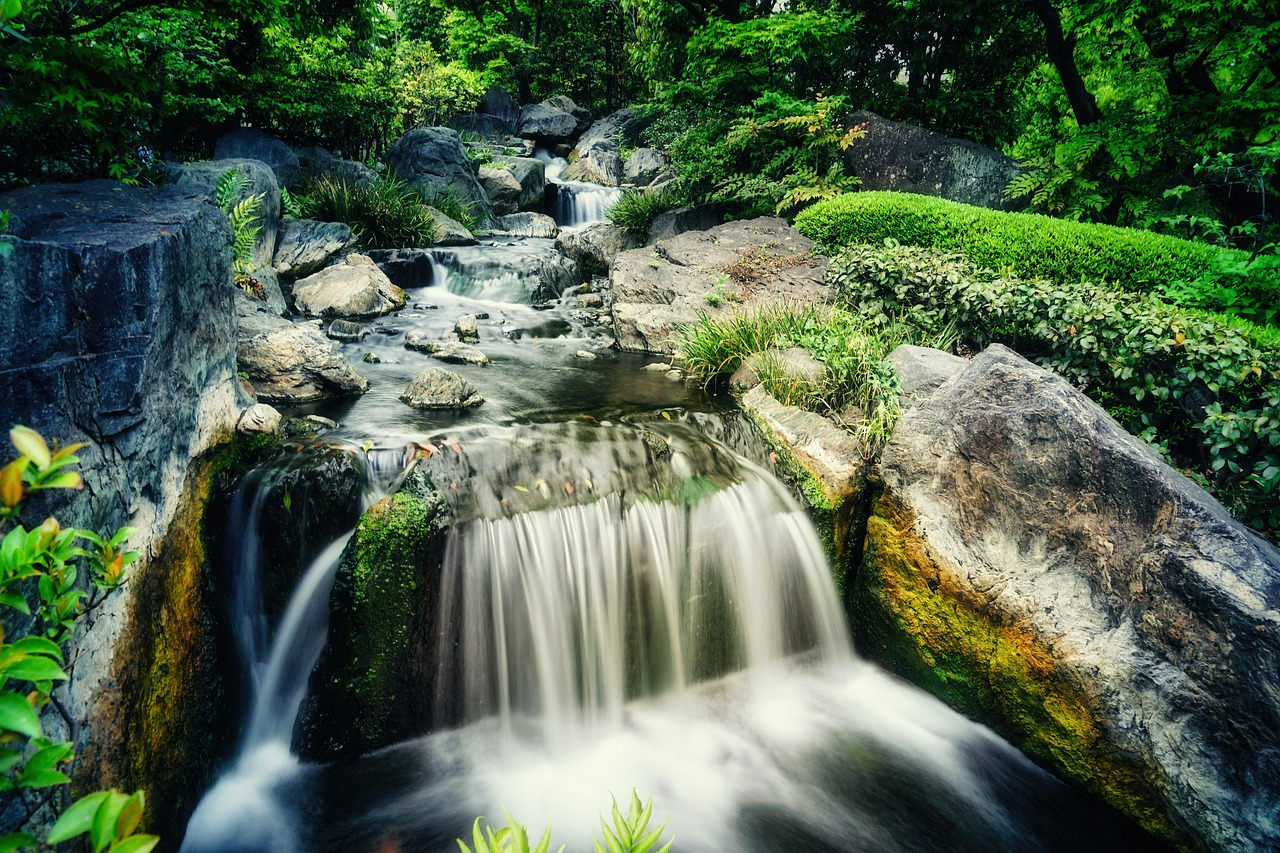
Bear Gulch Cave, Pinnacles National Park
Flashlight hiking under the boulders of Pinnacles
⏱ 2-3 hours👤 All ages$
Get Tickets
Get Bear Gulch Cave Tickets
Skip the line · mobile tickets accepted at the door
Pinnacles itself explains the cave. The park preserves the remnants of an ancient volcano that formed far to the south and was carried northward along the San Andreas Fault over millions of years; erosion carved its rock into spires, cliffs and narrow gorges, and where those gorges were deep and tight, falling boulders jammed into them and created the talus caves. Bear Gulch is the more accessible of the two main caves, with steps and handrails in places, while Balconies Cave on the west side is rougher and wilder. Both make a hike feel like an expedition without requiring any caving skill.
Doing it right: check the park's cave-status page before you drive — the bat-driven schedule shifts year to year — and bring a light for everyone; phones work in a pinch but tie up a hand you will want for scrambling. Expect low ceilings, wet steps after rain and a few tight squeezes; the trail occasionally closes for flooding or rockfall. Weekend mornings in spring and fall fill the east-side parking lots early, so arrive early or come midweek. Keep voices low near the bat roosting areas.
The bigger park rewards a full day: the High Peaks Trail climbs among the spires where California condors, reintroduced here, ride the thermals; spring wildflowers carpet the hills; and summer is hot, so start early. Pinnacles sits about an hour and a half from Monterey and two hours from San Jose, with no lodging in the park beyond the campground — base in the Salinas Valley or on the coast. Fit: families, couples and hikers who want a cave they can explore under their own steam.
What to Expect
Format
A self-guided scramble through a boulder-roofed talus cave on the Moses Spring and Rim Trail loop, ending at Bear Gulch Reservoir. Flashlight needed; covered by the park entrance fee. Openings follow the resident bat colony's seasons.
Best Time
Late October through winter often has the full or lower cave open; spring and fall have the best hiking weather. Avoid hot summer afternoons. Check cave status before every visit.
Duration
About one to two hours for the loop; a full day with the High Peaks.
Tips
Bring a light for each person and shoes with grip. Arrive early on weekends or come midweek. Keep quiet near bat areas. Add the High Peaks Trail for condor sightings.
⚡ Quick Picks
Best For
A short, thrilling cave hike that needs nothing but a flashlight and sturdy shoes.
Families
Kids love the squeezes, steps and hidden lake at the end — a perfect adventure-sized loop.
Couples
A morning of cave scrambling and condor-watching among volcanic spires.
Pair With
The High Peaks Trail, Balconies Cave, and a night in Monterey.
Time Needed
Two to three hours, or a full park day.
Ready to book Bear Gulch Cave?
Get Tickets →Frequently Asked Questions
Is Bear Gulch Cave open?
As of the park's October 2026 update, both the lower and upper cave were open. Openings follow the bat colony's seasons and can change for flooding or rockfall, so check the cave status page before you go.
What is a talus cave?
A cave formed when huge boulders fall into a narrow gorge and wedge overhead, roofing it over. Bear Gulch's passages wind beneath and between those boulders.
Do we need a flashlight?
Yes — parts of the cave are completely dark. Bring a headlamp or flashlight for each person, and wear shoes with good grip for wet steps.
Why does the cave close sometimes?
It shelters a colony of Townsend's big-eared bats. The whole cave closes during the spring pupping season, with sections reopening in summer, fall and winter as the bats allow.
Is there a fee?
No separate fee — the cave is included with the standard national park entrance fee.
More Cave Tour Attractions
Browse all →
Lava Beds National Monument
Hundreds of lava-tube caves you explore yourself — a remote volcanic plateau in far-northern California where a free permit, a headlamp and a helmet open the most hands-on caving in the national-park system.
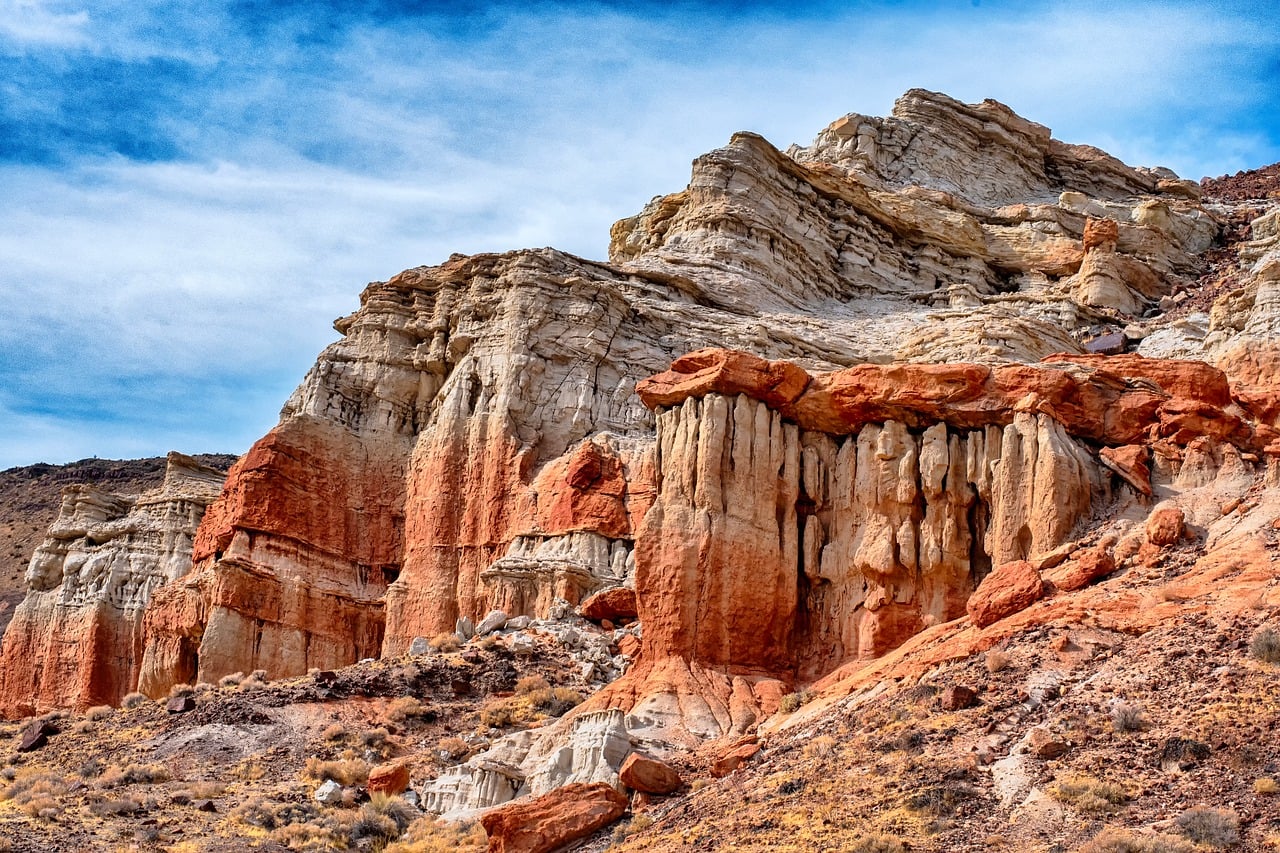
Lake Shasta Caverns
The cave you cruise to — a catamaran across Lake Shasta's blue, a bus up the mountainside, then chambers of twenty-foot flowstone and crystal draperies high above the water. Northern California's three-vehicle adventure, scenery included twice.
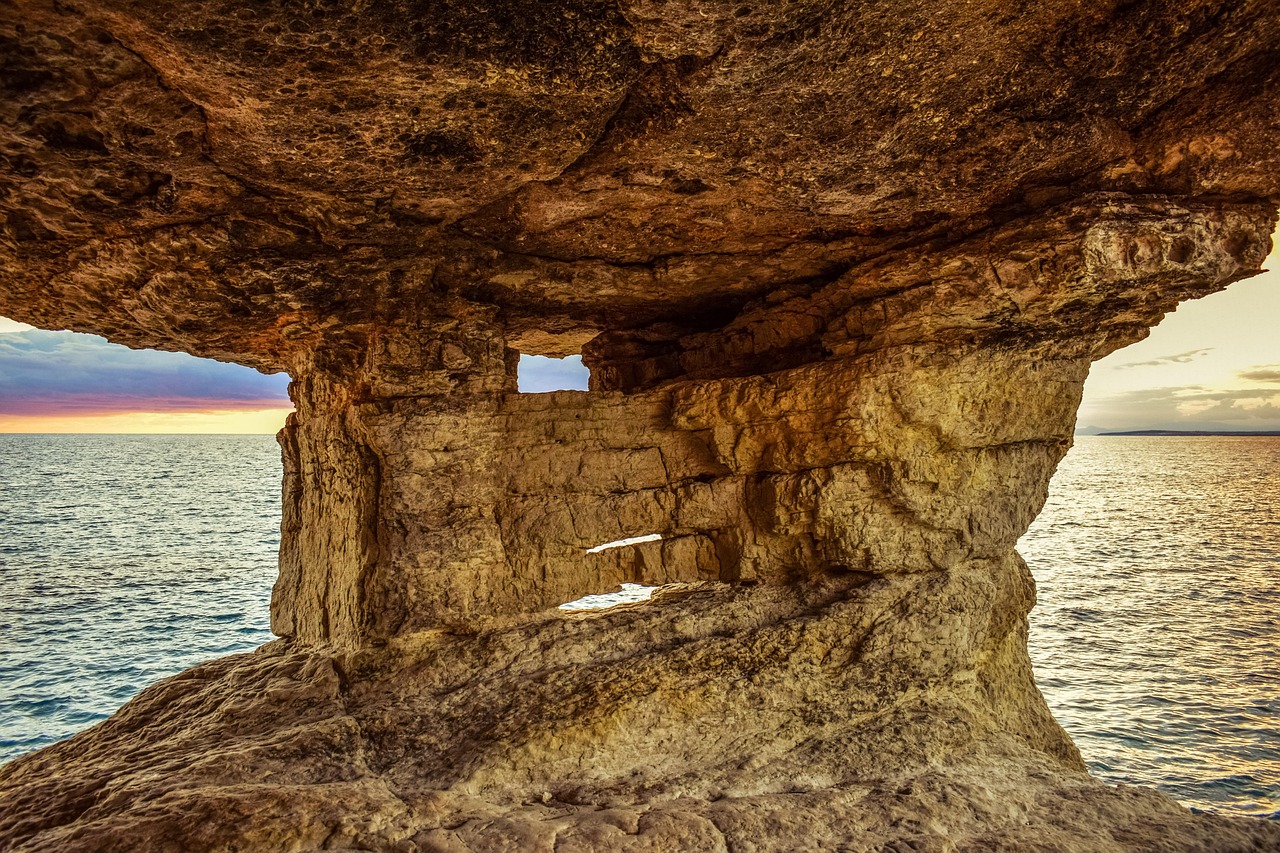
Lehman Caves, Great Basin National Park
Nevada's marble jewel box — a small, astonishingly decorated cave at the foot of Wheeler Peak, famous for its rare shield formations, seen on intimate ranger tours capped at twenty people.